💡 What Is Ethereum? The Blockchain Powering Web3 and Smart Contracts
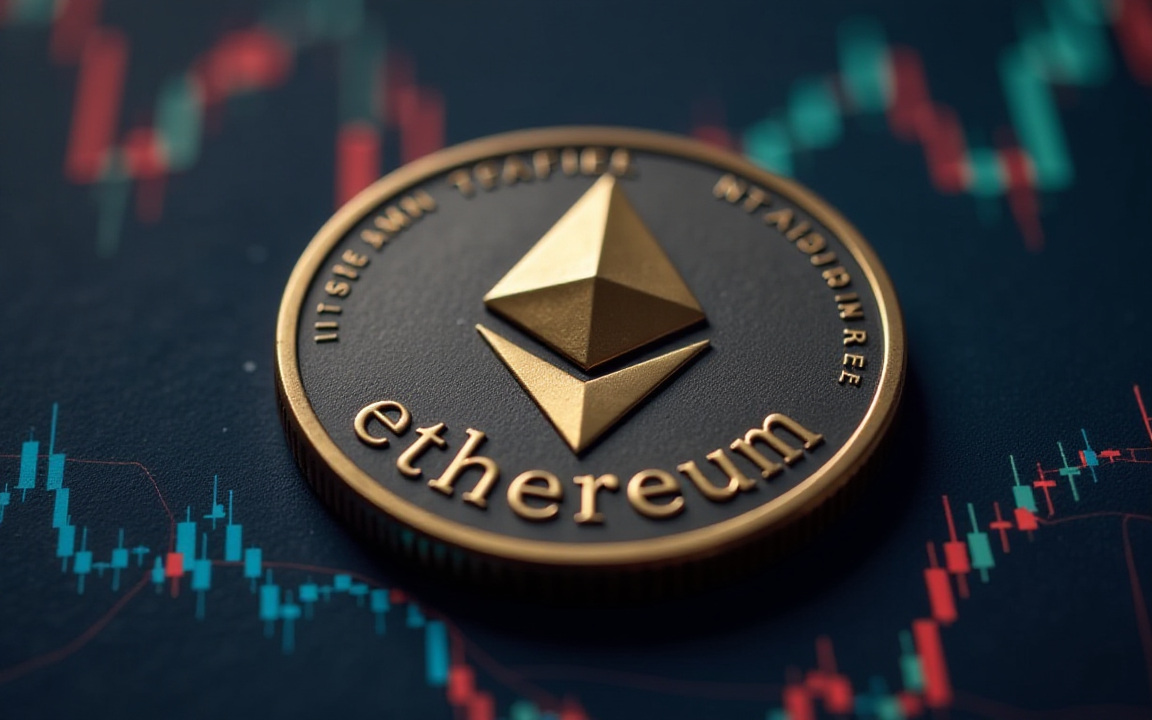
Ethereum is an open-source, decentralized blockchain platform that enables developers to build and deploy smart contracts and decentralized applications (dApps).
Launched in 2015 by Vitalik Buterin and a team of visionaries, Ethereum expanded on Bitcoin’s innovation by introducing programmable money — allowing anyone to create financial products, NFTs, and complex decentralized systems without centralized control.
At the heart of the Ethereum ecosystem is Ether (ETH), its native cryptocurrency, which powers transactions and fuels the network’s computational processes.
🔗 How Ethereum Works: The Smart Contract Revolution
While Bitcoin focuses on digital money, Ethereum provides a programmable blockchain that runs code — known as smart contracts — without downtime, censorship, or third-party interference.
A smart contract is an automated agreement written in code that executes when certain conditions are met. For example:
# Sending tokens after receiving payment.
# Managing NFTs on marketplaces.
# Enabling DeFi lending and yield-farming protocols.
Every transaction and contract runs on the Ethereum Virtual Machine (EVM), a decentralized global computer that ensures consistency across all network nodes.
⚙️ From Proof of Work to Proof of Stake: The Merge Explained
Originally, Ethereum used Proof of Work (PoW) like Bitcoin, requiring miners to validate transactions by solving cryptographic puzzles. However, in September 2022, Ethereum completed The Merge, transitioning to Proof of Stake (PoS) — a major milestone in blockchain evolution.
🧭 Key Benefits of the Merge:
# Energy Efficiency: PoS reduces energy usage by over 99%.
# Security: Validators stake ETH as collateral, alligning incentives and protecting the network.
# Scalability Foundation: Prepares Ethereum for future upgrades like Sharding, which will improve transaction throughput and lower fees.
Validators now secure the network by staking ETH instead of mining, earning rewards for honest behavior and risking penalties for misconduct.
🧱 Ethereum’s Core Components
1. Ether (ETH): The native currency used to pay for gas fees and staking.
2. Smart Contracts: Self-executing agreements written in code.
3. Ethereum Virtual Machine (EVM): The computational engine that executes contracts.
4. Gas Fees: Fees users pay to process transactions or run contracts.
5. dApps: Decentralized applications built on Ethereum (DeFi, NFTs, DAOs, etc.).
💰 Ethereum Economics and Tokenomics
Ethereum’s supply model differs from Bitcoin’s. While Bitcoin is deflationary with a fixed cap of 21 million, Ethereum’s supply is elastic — new ETH is issued through staking rewards, but also burned via the EIP-1559 fee mechanism.
🔥 The Burn Mechanism (EIP-1559):
Introduced in August 2021, this upgrade burns a portion of transaction fees, reducing overall supply. Combined with staking, this dynamic has at times made Ethereum deflationary, particularly during high network activity.
⚖️ The Economic Model:
# Stakers - earn annual yields (~3-6%) for validating transactions.
# Users - pay variable gas fees depending on network congestion.
# Burning - creates long-term scarcity, potentially increasing ETH's value.
✅ 🏗️ Ethereum Use Cases: Beyond Currency
Ethereum powers a vast digital economy, forming the backbone of the Web3 ecosystem.
🔹 Key Use Cases:
1. Decentralized Finance(DeFi): Platforms like Uniswap, Aave, and MakerDAO offer lending, borrowing, and trading without banks.
2. Non-Fungible Tokens(NFTs): Ethereum hosts most NFT projects, enabling digital art, collectibles, and gaming economies.
3. Decentralized Autonomous Organizations (DAOs): Community-governed entities run transparently via smart contracts.
4. Stablecoins: USDC, DAI, and other stablecoins rely on Ethereum’s secure infrastructure.
5. Layer 2 Scaling: Solutions like Arbitrum, Optimism, and zkSync enhance transaction speed and reduce gas fees.
🧠 Investing in Ethereum: Strategies and Considerations
Ethereum has evolved into a blue-chip digital asset, second only to Bitcoin in market capitalization. Investors view ETH as both a technology bet and a yield-generating asset.
🔍 Investment Options:
# Buy & Hold (HOLD): Long-term accumulation of ETH.
# Staking: Earn passive income by locking ETH as a validator or through liquid staking platforms (e.g Lido, Rocket Pool).
# DeFi Yield: Use ETH in DeFi protocols for additional returns.
# Diversified Exposure: Access ETH via ETFs or crypto index funds.
⚠️ Key Risks:
# Smart contract bugs or exploits.
# Regulatory changes in global crypto policy.
# Network congestion and high gas fees.
# Competition from other smart contarct platforms (e.g Solana, Avalanche).
Despite risks, Ethereum’s dominance in developer activity and liquidity makes it a cornerstone of the decentralized economy.
🌍 The Future of Ethereum: Scaling and Beyond
Ethereum’s roadmap focuses on scalability, sustainability, and security.
Key upcoming upgrades include:
# Sharding: Parallel transaction processing to increase capacity.
# Danksharding & Proto-Danksharding (EIP-4844): Enhances Layer-2 rollups and data availability.
# Layer-2 Integration: Off-chain scaling for faster, cheaper transactions.
# Full Proof-of-Stake Maturity: Further decentralization of validation and governance.
These upgrades aim to make Ethereum the foundation of a decentralized global internet — the infrastructure for finance, identity, gaming, and social applications in Web3.
🧩 Key Takeaways
# Ethereum is a programmable blockchain enabling smart contracts and dApps.
# It transitioned from Proof of Work to Proof of Stake in 2022.
# The EIP-1559 burn and staking rewards shape Ethereum’s tokenomics.
# Ethereum underpins major innovations: DeFi, NFTs, and DAOs.
# Its scalability roadmap positions it as the core layer of Web3.
✅ ✅ Final Thoughts
Ethereum represents far more than a cryptocurrency — it’s a global computing platform and the foundation of the decentralized web. With continuous upgrades, massive developer support, and an expanding ecosystem, Ethereum is poised to remain at the center of blockchain innovation for decades to come.

