What Are NFTs?
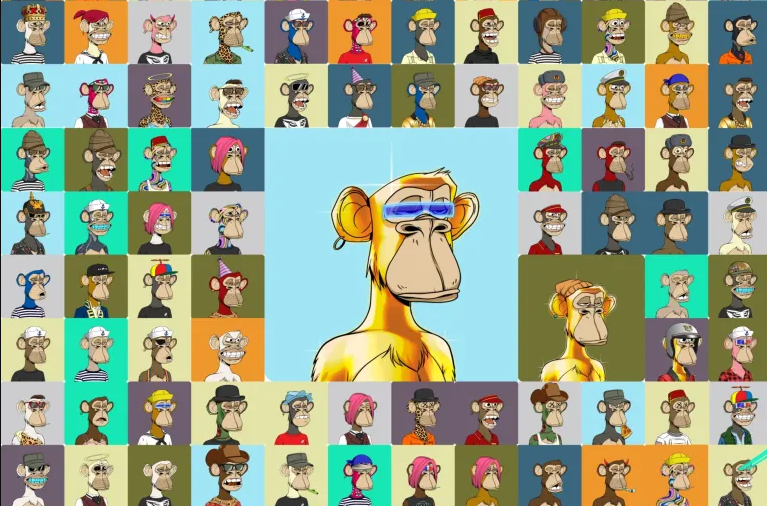
NFTs, or Non-Fungible Tokens, are unique digital assets that represent ownership of a specific item—whether a piece of art, music, game asset, ticket, membership pass, or even real estate. Unlike cryptocurrencies such as Bitcoin or Ethereum, NFTs are non- interchangeable, meaning each token holds its own distinct value and identity.
NFTs enable verifiable, transferable digital ownership, reshaping how creators, brands, and consumers interact across the internet.
How NFTs Work
1. Built on Blockchain Technology
NFTs exist on blockchains such as:
# Ethereum (ERC-721, ERC-1155)
# Solana
# Polygon
# Avalanche
# BNB Chain
These networks record:
# creation
# ownership
# transfer history
This makes NFTs tamper-proof, transparent and verifiable.
2. Smart Contracts Define NFT Behavior
Smart contracts store:
# metadata
# ownership rules
# royalties for artists
# transfer restrictions
This allows creators to automate actions like perpetual royalty payments every time the NFT is resold.
3. Metadata & Digital Files
NFTs often point to digital content stored on:
# IPFS (InterPlanetary File System)
# Arweave
# Decentralized storage solutions
This ensures long-term preservation and accessibility of NFT assets.
Types of NFTs
1. NFT Art
The most famous use case, allowing artists to tokenize digital artwork.
Examples include:
# Beeple's "Everydays"
# Fidenza
# XCOPY pieces
NFT art gives creators global reach, instant royalties, and direct distribution without intermediaries.
2. NFT Collectibles
Digital collectible NFTs often have rarity traits and community-driven value.
Examples:
# CryptoPunks
# Bored Ape Yach Club
# Azuki
Many come with exclusive memberships or utilities.
3. Gaming NFTs
NFTs power the next generation of gaming, enabling players to truly own:
# skins
# characters
# weapons
# virtual land
# items
Games like Axie Infinity, Illuvium, and Star Atlas use NFTs for immersive economies.
4. Metaverse & Virtual Land NFTs
Metaverse platforms sell tokenized land and digital spaces.
Examples:
# Decentraland (MANA)
# The Sandbox (SAND)
# Otherside, uses ApeCoin(APE) as its native and primary in-game currency
Ownership of land can allow:
# renting spaces
# hosting events
# in-world business
5. Music & Media NFTs
Artists can tokenize:
# albums
# concert tickets
# exlusive content
# loyalty passes
Platforms like Royal and Sound.xyz lead the movement.
6. Utility NFTs
These NFTs grant holders access to:
# communities
# memberships
# software tools
# governance rights
Examples:
# NFT-based DAOs
# Premium subscriptions
# Access tokens
7. Real-World Asset (RWA) NFTs
NFTs can represent ownership of physical items:
# real estate
# luxury goods
# vehicles
# artwork
# certificates and legal documents
Tokenization increases liquidity and fractional ownership.
Major Use Cases of NFTs
1. Digital Ownership & Provenance
NFTs provide cryptographic proof of authenticity and ownership—solving the problem of digital replication.
2. Creator Economy 3.0
Artists, musicians, writers, and influencers can monetize directly without intermediaries.
3. Ticketing & Events
NFT tickets prevent fraud and allow programmable features like resale royalties or VIP access.
4. Identity & Reputation
NFTs can represent:
# digital IDs
# educational certificates
# professional licenses
# achievements
# soulbound tokens
5. Brand Loyalty & Marketing
Companies use NFTs for:
# digital merchandise
# customer rewards
# exclusive experiences
6. Tokenized Real Estate
NFTs verify and transfer ownership of property, enabling global real estate markets to go on-chain.
How to Buy and Sell NFTs
1. Get a Crypto Wallet
Examples: MetaMask, Phantom, Coinbase Wallet.
2. Fund the Wallet with Crypto
Usually ETH, SOL, MATIC, AVAX, or BNB depending on the marketplace.
3. Use an NFT Marketplace
# OpenSea
# Magic Eden
# Blur
# LooksRare
# Rarible
4. Mint, Buy, or Sell
Users can mint new NFTs or trade existing ones.
Risks of NFTs
1. Market Volatility
NFT prices can rise or fall rapidly.
2. Scams & Fraud
Impersonators, fake collections, and phishing attacks remain common.
3. Smart Contract Vulnerabilities
Poor coding can lead to exploits or permanent asset loss.
4. Liquidity Issues
Many NFTs may not resell easily.
5. Metadata Storage Risks
If not stored on decentralized networks, digital files can disappear.
NFT Regulation
NFT regulations vary globally and may classify NFTs as:
# digital collectibles
# financial assets
# securities (for fractionalized or income generating NFTs)
Governments are still developing frameworks for consumer protection, taxation, and IP rights.
The Future of NFTs
1. Mainstream Adoption
Major brands, artists, and companies are integrating NFTs into their digital strategies.
2. NFTs in Gaming & the Metaverse
Play-to-earn, interoperable assets, and digital worlds will continue to expand.
3. Real-World Tokenization
NFTs will increasingly represent property deeds, IDs, bonds, and certificates.
4. AI-Powered NFTs
Interactive, evolving NFTs using artificial intelligence.
5. Enterprise & Corporate Use Cases
Supply chain tracking, contracts, legal documents, and product authentication.
Conclusion
NFTs have evolved far beyond digital art — they are reshaping digital ownership, identity, creativity, gaming, real estate, and the entire Web3 landscape. As technology matures and real-world use cases grow, NFTs will become central to the future of digital economies.


About
Start your crypto journey with InfoCrypto. We share valuable tools and information to help you win in the crypto space, from technicals to fundamentals we've got you!