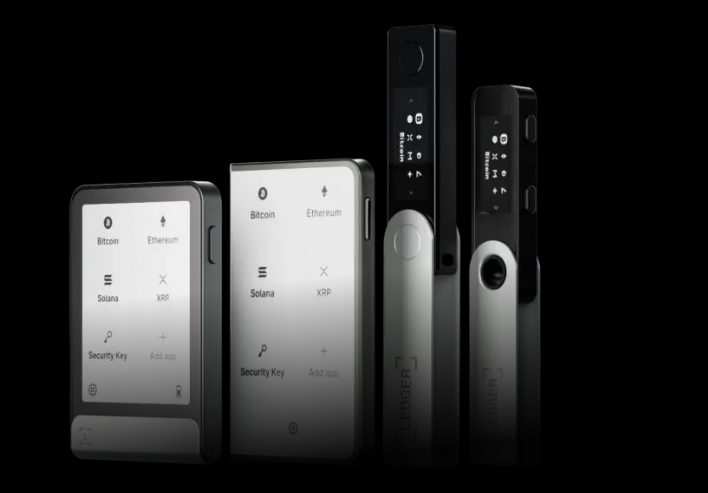

A crypto wallet is a tool that allows users to store, send, receive, and manage cryptocurrencies securely. While often misunderstood as a place where coins are “stored,” wallets actually manage private keys, which grant access to digital assets on the blockchain.
In crypto, whoever controls the private keys controls the funds, making wallet choice one of the most critical decisions an investor can make.
A crypto wallet is software or hardware that:
# generates cryptographic key pairs
# stores private keys securely
# signs blockchain transactions
# interacts with blockchain networks
Crypto assets remain on the blockchain — wallets control access.
# Public key: your wallet address (used to receive funds)
# Private key: secret key that authorizes spending
Loss of private keys = irreversible asset loss.
Hot wallets are connected to the internet.
# mobile wallets
# desktop wallets
# web-based wallets
# convenient
# quick transactions
# ideal for daily uses
# vulnerable to hacks
# exposed to malware and phishing
Hot wallets are best for small balances and active trading.
Cold wallets store private keys offline.
# hardware wallet
# paper wallets
# air-gapped devices
# highest security
# immune to online attacks
# best for long-term storage
# less convenient
# physical loss/damage risk
Cold wallets are preferred for long-term investors and large holdings.
# private keys held by an exchange
# easy to use
# counterparty risk
➡️ “Not your keys, not your crypto”.
# user controls private keys
# full ownership and responsiblity
# no third-party dependence
Self-custody is a core crypto principle.
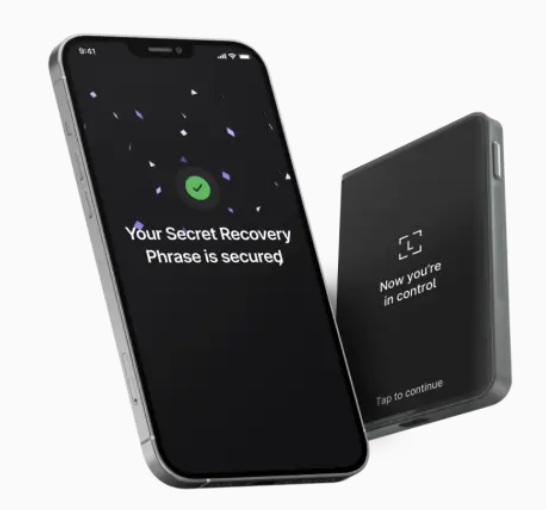
# typically 12-24 words
# backup for wallet recovery
# store offline only
# multiple approvals required
# used by institutions and DAOs
# reduces single-point failure
# phishing attacks
# malicious smart contracts
# fake wallet apps
# poor key storage practices
# clipboard hijacking malware
Security failures are usually user-side, not protocol failures.
Modern wallets enable:
# DeFi protocols
# NFT marketplaces
# DAO governance
# Decentralized exchanges
Wallets act as an identity and access layer for Web3.
# hot wallet + exchange wallet
# fast execution
# hardware wallet
# minimal exposure
# non-custodial hot wallet
# hardware wallet integration
A hybrid approach is often optimal.
# separate wallets for storage and activity
# never store seed phrases digitally
# use hardware wallets for large amounts
# regularly update software
# verify transactions carefully
Security in crypto is proactive, not reactive.
# increased phishing attacks
# fake wallet clones
# higher user error
# exchange insolvency risks
# increased self-custody adoption
Bear markets often expose weak custody practices.
# account abstraction
# smart contract wallet
# social recovery mechanisms
# gasless transactions
# improved UX without sacrificing security
Wallets are evolving into full financial operating systems.
Crypto wallets are the foundation of digital asset ownership. Understanding how wallets work, choosing the right storage methods, and practicing strong security habits are essential skills for anyone participating in crypto.
In crypto, ownership is not guaranteed by institutions — it is enforced by cryptography and responsibility.
Start your crypto journey with InfoCrypto. We share valuable tools and information to help you win in the crypto space, from technicals to fundamentals we've got you!

